
The Nature of Luck in Casino Games
Casino games, often viewed through the lens of sheer luck, are much more complex than this perspective suggests. While it is true that elements of chance play a significant role, many games also incorporate skill and strategy. For instance, in blackjack, a player’s decisions can heavily influence the game’s outcome. The ability to follow basic strategies, such as understanding when to hit or stand based on the dealer’s visible card, can shift the odds in favor of the player, making it essential for enthusiasts to explore options like nrl premiership betting to enhance their overall experience. This understanding challenges the notion that luck is the sole determinant in winning.
Moreover, games like poker highlight the fine line between luck and skill even further. While the cards dealt may be random, a skilled player can use tactics such as bluffing or reading opponents to gain an advantage. This introduces the concept of psychological skill as a crucial part of the equation, where understanding human behavior can lead to more successful outcomes. Thus, while luck affects the distribution of cards, the player’s expertise becomes paramount in navigating the inevitable uncertainties of the game.
Ultimately, luck does play a role in every casino game, but it’s essential to recognize that it is not the sole player in the field. A combination of luck, skill, and strategy exists, where players who understand the dynamics of the game tend to fare better over time. This nuanced understanding can reshape perceptions about gambling and promote a more informed approach to gaming experiences.
The Role of Odds and House Edge
Understanding the odds and house edge is crucial in demystifying the belief that casino games are purely based on luck. The house edge refers to the percentage of each bet that the casino expects to keep over the long term, which ultimately assures the casino’s profitability. For example, in slot machines, the house edge might be higher than in blackjack, indicating that players will likely lose more money over time on slots than on strategic card games. This aspect shows that while players might rely on luck in the short term, the math behind the games reveals a clearer picture of potential losses.
In many table games, the odds can change based on player decisions. Blackjack is a prime example, where the player’s choices influence the odds greatly. Players knowledgeable about basic strategy can reduce the house edge significantly, making educated choices that can lead to a more favorable outcome. Thus, understanding the mathematical principles behind these games offers an essential counterpoint to the idea that luck is the only factor in winning.
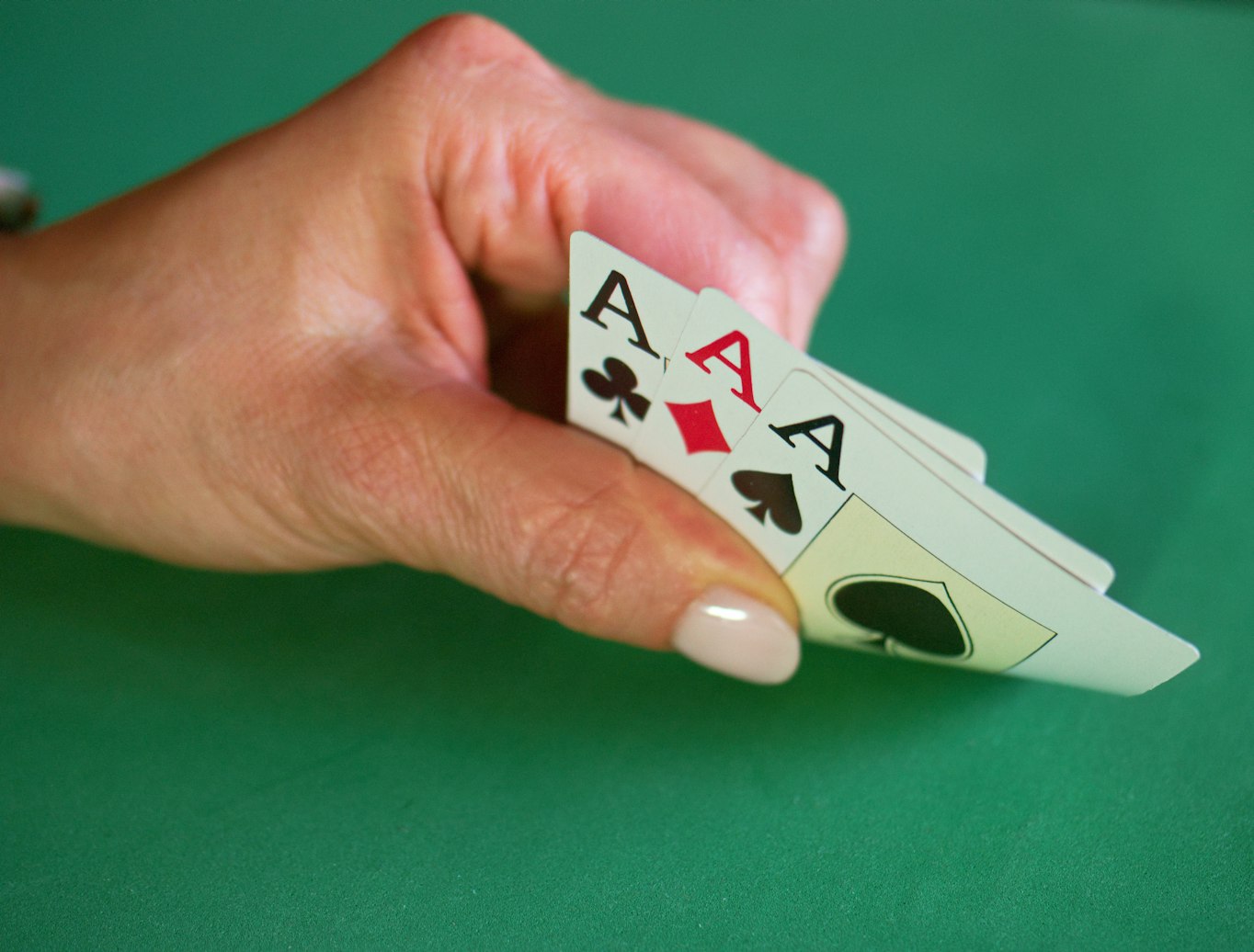
This insight into odds and probabilities allows players to make more informed decisions, potentially mitigating the randomness associated with luck. By relying on mathematical strategies, players can create a more balanced approach to gaming, acknowledging that while luck is a factor, skill and knowledge are vital components in winning scenarios. This understanding is vital in empowering players to approach games with a more strategic mindset.
The Psychological Factors Influencing Play
The psychological dynamics at play in the realm of casino games also shape perceptions of luck and outcomes. Players often fall prey to cognitive biases, such as the gambler’s fallacy, where people mistakenly believe that past events can influence future outcomes. For example, a player might think that after several losses, a win is more likely simply due to probability, despite each spin of a slot machine being an independent event. This misunderstanding can lead to reckless betting behavior, reinforcing the myth that luck governs outcomes.
Furthermore, emotions can play a significant role in how players experience luck in the casino. The thrill of winning and the despair of losing can cloud judgment, leading to decisions driven more by emotions than strategies. Creating a balance between emotional reactions and analytical thinking is paramount in navigating the gambling environment. In this light, being aware of one’s psychological state can help players make more rational decisions, emphasizing that luck is not the sole element of success.
Additionally, the social aspects of gambling contribute to perceptions of luck. Interactions with other players and dealers can create a communal atmosphere where shared experiences influence individual beliefs about luck. The notion of luck being contagious is not uncommon; if a nearby player wins big, it can evoke feelings of hope or inspire others to believe that they, too, will experience a stroke of luck. These interconnected psychological elements provide a broad understanding of how perceptions of luck are formed and influenced beyond mere chance.
Skill-Based Games versus Chance-Based Games
The distinction between skill-based games and chance-based games further complicates the narrative surrounding luck in casinos. Skill-based games, like poker or blackjack, require a combination of strategy, decision-making, and psychological insight, which can shift the odds in favor of a knowledgeable player. Chance-based games, such as slots and roulette, on the other hand, primarily rely on the randomness of outcomes, often leading players to believe that luck is the primary factor. Understanding this difference allows players to make choices that align with their gaming preferences and skill levels.

In skill-based games, players can continuously improve their strategies through practice and learning. For instance, advanced poker players study opponents’ behaviors and betting patterns to gain an edge, demonstrating that luck is only a part of the successful player’s toolkit. On the flip side, chance-based games offer an experience heavily reliant on luck, where past performances have no bearing on future results. This distinction provides clarity on why some players prefer skill-based gambling, seeking a feeling of control amidst the randomness of chance games.
This dichotomy also affects the perception of fairness in gaming. While chance games rely solely on luck and randomness, skill-based games foster a sense of agency among players, who can actively engage in improving their outcomes. This engagement can encourage players to recognize their influence on results, transforming the experience from one dominated by luck to a more strategic and thoughtful endeavor. Ultimately, both types of games coexist in the casino environment, each offering distinct experiences shaped by the interplay between skill and luck.
Exploring the World of Gaming Knowledge
This website serves as a comprehensive guide for enthusiasts seeking to deepen their understanding of casino games and the dynamics of luck and skill. Featuring insightful articles, strategies, and analyses, it empowers players to navigate the exciting yet complex landscape of gaming. Whether you’re a novice looking to learn the ropes or a seasoned player wishing to refine your skills, the wealth of information available here is invaluable.
Moreover, the content is designed to demystify common misconceptions surrounding gambling. By providing clear explanations about the odds, strategies, and psychological factors at play, this site encourages a more informed approach to gaming. Players are not just passive participants; they can take charge of their gaming experiences by exploring the intricacies of probability, skill, and strategy.
Through engaging content and a supportive community, this platform aims to cultivate a deeper appreciation for the balance between luck and skill in casino games. With resources tailored to both casual players and serious gamblers, it emphasizes the joy of learning and the thrill of strategic play, enabling everyone to enjoy their time at the casino with a more nuanced perspective on what it means to win.