
The Impact of Environment on Behavior
The design of a casino is meticulously crafted to evoke specific emotions and behaviors in its patrons. Bright colors, dynamic signage, and strategic lighting all play significant roles in creating an immersive experience. This environment is not merely aesthetic but serves to stimulate excitement and instill a sense of anticipation, especially in places like the new online casino , where players can enjoy various games from the comfort of their homes. Studies suggest that bright colors can heighten feelings of euphoria, encouraging players to engage more deeply with the games. Furthermore, the sensory overload of sights and sounds strategically prompts visitors to spend more time and money in the establishment.
Soundscapes within casinos are specifically engineered to enhance the atmosphere. Sounds of jingling coins, celebratory announcements, and lively music create a backdrop that evokes a sense of thrill and urgency. This auditory stimulation plays into the psychology of reinforcement; as players win and hear celebratory sounds, they associate the environment with positive outcomes. Consequently, this can lead to a cycle of continuous play as visitors seek to repeat those rewarding experiences, often disregarding time and their budgets.
The arrangement of space is equally crucial. Casinos utilize an open floor plan with high ceilings and pathways that guide players through games, pulling them into the experience. The lack of natural light and windows ensures that players lose track of time, creating a bubble that allows them to focus solely on the game. This design philosophy exploits the psychological concept of time distortion, keeping players inside longer, as they become enveloped in the atmosphere and excitement of the gaming world.
Color Psychology and Its Effects
Color plays a pivotal role in influencing emotions and behaviors in various environments, and casinos are no exception. Designers carefully select colors that evoke specific feelings; for instance, red is often used to stimulate excitement and draw attention, while blue may create a sense of calm. This interplay of colors can significantly impact how players feel and act within the space, encouraging them to take more risks or feel more relaxed while playing. By understanding color associations, casinos can manipulate players’ emotions to enhance their gaming experience.
The strategic use of color can also influence decision-making. For example, warmer colors like yellow and orange can energize players, potentially leading to impulsive betting behavior. Conversely, cooler colors may induce a more thoughtful approach to gambling. By creating environments that elicit a sense of urgency or calm, casinos can guide players’ actions and decisions, ultimately impacting their overall spending and gameplay duration.
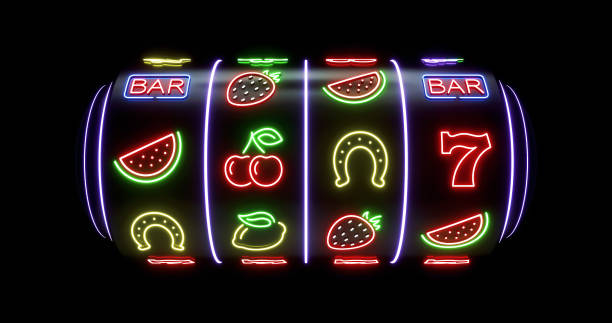
Moreover, the emotional responses triggered by colors can create lasting impressions. When individuals associate certain colors with positive experiences, they may develop a preference for returning to that environment. This phenomenon underscores the importance of color selection in casino design, as it not only affects immediate reactions but can also foster long-term loyalty among players, who are drawn back by the emotions evoked by their previous experiences.
Designing for Social Interaction
Social dynamics play an essential role in the gambling experience, and casino design capitalizes on these interactions. By creating spaces conducive to socialization, casinos enhance the enjoyment of games and encourage group play. For example, the layout of table games is often designed to facilitate conversation among players, with circular tables allowing for inclusive interaction. This can lead to a heightened sense of community and shared excitement, fostering an environment where players are more likely to engage in gaming activities.
The incorporation of lounges, bars, and entertainment areas also serves to amplify social experiences within casinos. These communal spaces not only encourage players to congregate but also provide opportunities for networking and camaraderie outside of gaming. As individuals share their triumphs and strategies, they become more invested in the ongoing experience, often leading to increased time spent and money wagered. This connection between social interaction and gambling is a crucial element of casino design.
Furthermore, the presence of live entertainment, such as music performances or shows, can elevate the social atmosphere, drawing in larger crowds and enhancing the casino’s appeal. By creating an environment where socialization and gaming coexist, casinos can ensure that visitors enjoy a multifaceted experience that transcends individual gambling, leading to greater overall satisfaction and loyalty towards the establishment.
The Role of Technology in Casino Design
As technology continues to evolve, casinos are embracing innovative solutions to enhance player engagement and optimize the gaming environment. The integration of digital displays and interactive elements not only modernizes the gaming experience but also creates opportunities for personalized interactions. For instance, many casinos now utilize mobile apps that allow players to track their rewards and receive real-time updates about promotions, making the gaming experience more interactive and customer-focused.

The use of virtual reality (VR) and augmented reality (AR) technologies represents a significant leap in casino design. These technologies offer immersive experiences that allow players to engage with games in entirely new ways. For example, VR can transport players into a virtual casino environment, where they can interact with games and other players as if they were physically present. This innovation not only attracts tech-savvy individuals but also enhances the overall excitement associated with gaming.
Additionally, casinos are utilizing data analytics to personalize marketing messages and optimize floor layouts based on user behavior. Understanding player preferences enables casinos to create targeted promotions and tailor experiences that resonate with their audience. By leveraging technology to gather insights into player behavior and preferences, casinos can refine their design strategies and ensure that they remain competitive in an ever-evolving market.
Your Journey in Casino Exploration Starts Here
If you’re intrigued by the fascinating world of casino design, exploring various establishments can offer a firsthand experience of these psychological principles in action. Each casino is designed with a unique approach, reflecting the strategies discussed throughout this article. By visiting different venues, you can observe how color, layout, social interaction, and technology come together to create a captivating environment that impacts player behavior.
As you embark on this exciting journey, consider how these elements resonate with your own experiences. Engaging with various gaming environments can enhance your understanding of the underlying psychology that shapes your gaming preferences and behaviors. Embrace the opportunity to learn not only about the games but also about the intricate design choices that enhance your overall experience at each casino.
In addition to observing these elements, you can also delve into the history and evolution of casino design. Understanding how design trends have shifted over the years can provide valuable insights into current practices. Casinos have continually adapted to changes in technology, player preferences, and cultural influences, making the study of their design an ongoing and evolving field. Your exploration into casino design can be both educational and entertaining, offering a deeper appreciation for the artistry and psychology at play.